Company Blog
2026年3月7日
Choosing the Right Conveyor Belt: A Practical Guide to Materials and Applications
Emphasize the applicable scenarios of six different material conveyor belts.
In the world of industrial production, the choice of a conveyor belt material is a fundamental decision that directly impacts the efficiency, lifespan, and overall success of a transport system. Because different materials possess varying levels of temperature resistance, wear resistance, and anti-corrosion properties, it is essential to match the belt to the specific characteristics of the material being moved and the working environment. Drawing from industrial experience, this guide breaks down the most common conveyor belt materials and their ideal use cases to help professionals make informed selections.
1. Easy-Clean Belts: Prioritizing Hygiene
The "Easy-Clean" belt is characterized by its exceptionally smooth surface, which provides excellent anti-stick and waterproof properties. Its primary advantage is the simplicity of the cleaning process, which prevents material residue from lingering on the surface.
- Ideal Applications: These belts are best suited for food processing, packaging, and the transport of electronic components.
- Key Benefits: They are perfect for transporting sticky or easily contaminated items like pastries, candy, and small electronic parts. Using these belts reduces overall cleaning costs and minimizes the risk of cross-contamination between different batches of products.
2. PU (Polyurethane) Belts: The Food Industry Standard
PU conveyor belts are known for their high toughness, excellent wear resistance, and neutral properties. They are odorless, non-toxic, and fully meet the strict requirements of the food industry.
- Ideal Applications: PU belts are widely used in food processing, pharmaceutical packaging, and for transporting light-weight materials.
- Specific Uses: They are commonly used to transport meats, fruits, vegetables, medicines, and daily chemical products. Because they maintain a stable structural state even under constant use, they are well-matched for small and medium-sized transmission equipment, effectively reducing belt deformation over time.
3. PVC (Polyvinyl Chloride) Belts: Versatility and Economy
PVC belts are perhaps the most common choice for general-purpose light-duty material transport. They offer a good balance of cost and performance for standard environments.
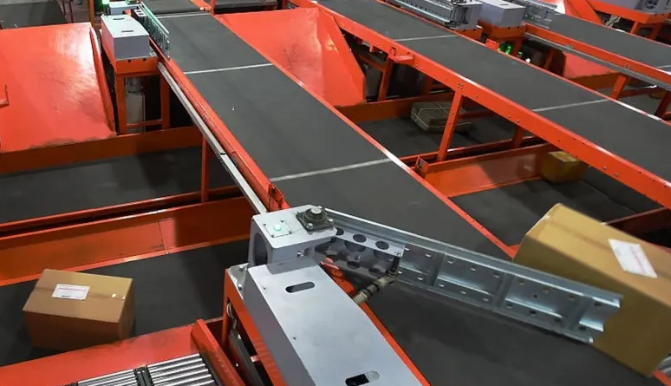
- Ideal Applications: These belts are frequently seen in grain transport and express delivery services for handling light-weight packages.
- Limitations: It is important to note that PVC is not suitable for use in high-temperature environments or areas with strong corrosive chemicals.
4. PE (Polyethylene) Belts: Stability in the Cold
PE conveyor belts are distinguished by their soft texture and stable performance in low-temperature environments. Chemically, they have a stable structure that is less affected by acid and alkali media.
- Ideal Applications: PE belts are the top choice for low-temperature cold storage and light chemical corrosion scenarios.
- Specific Uses: They are highly effective for transporting frozen foods, chemical raw materials, and aquatic products. Their resistance to low-temperature embrittlement ensures that the belt remains supple and the transmission remains smooth in freezing conditions.
5. Silicone Belts: Flexibility and Heat Resistance
Silicone belts provide high flexibility, excellent anti-sticking effects, and are odorless and non-toxic. They are capable of withstanding a significant temperature range from 60℃ to 200℃.
- Ideal Applications: These belts are ideal for food baking, high-temperature transport of electronic components, and medical equipment transport. They are particularly useful in the high-temperature baking of products and the transmission links for precision electronic parts.
6. Teflon (PTFE) Belts: Extreme Durability
Teflon conveyor belts offer the widest temperature range and the highest level of chemical resistance. They feature a non-stick surface, a low friction coefficient, and very stable dimensions.
- Ideal Applications: These are specialized belts for high-temperature and strong corrosion scenarios, including chemical processing, electroplating, pharmaceuticals, and industrial baking.
- Performance: Capable of a long-term working temperature of 260℃, Teflon belts significantly reduce the risk of aging and damage caused by extreme heat or harsh chemical exposure. They are the preferred choice for transporting strong acids, strong alkalis, and products going through high-temperature drying tunnels.
7. Felt Belts: Protection for Sensitive Items
Felt conveyor belts are unique because they provide oil absorption, dust removal, and buffering. Their soft texture significantly reduces the probability of scratching the material being transported.
- Ideal Applications: Felt belts are best used in the textile, leather, and glass industries, as well as for transporting precision parts.
- Key Benefits: They provide "buffer transport," which protects the appearance of precision components while simultaneously absorbing oil and dust from the surface of the materials.
Conclusion: Making the Best Choice
When selecting a conveyor belt, one must combine the working temperature, material characteristics, and hygiene requirements of the facility. By carefully considering performance metrics like wear resistance and corrosion resistance, manufacturers can avoid the equipment wear and transmission abnormalities that occur when a material is mismatched to its environment. Ultimately, a well-chosen belt ensures the stable and efficient operation of the entire production line.