Company Blog
2026年3月7日
Troubleshooting Low Cooling Capacity in Your Chiller
Troubleshooting Low Cooling Capacity in Industrial Chillers: A Comprehensive Guide
In the demanding environment of plastic processing and industrial manufacturing, the cooling capacity of your chiller is the lifeline of your production efficiency. When a chiller fails to reach its rated capacity, it creates a significant "bottleneck," leading to longer cycle times and potential product defects.
1. Understanding the Core Problem
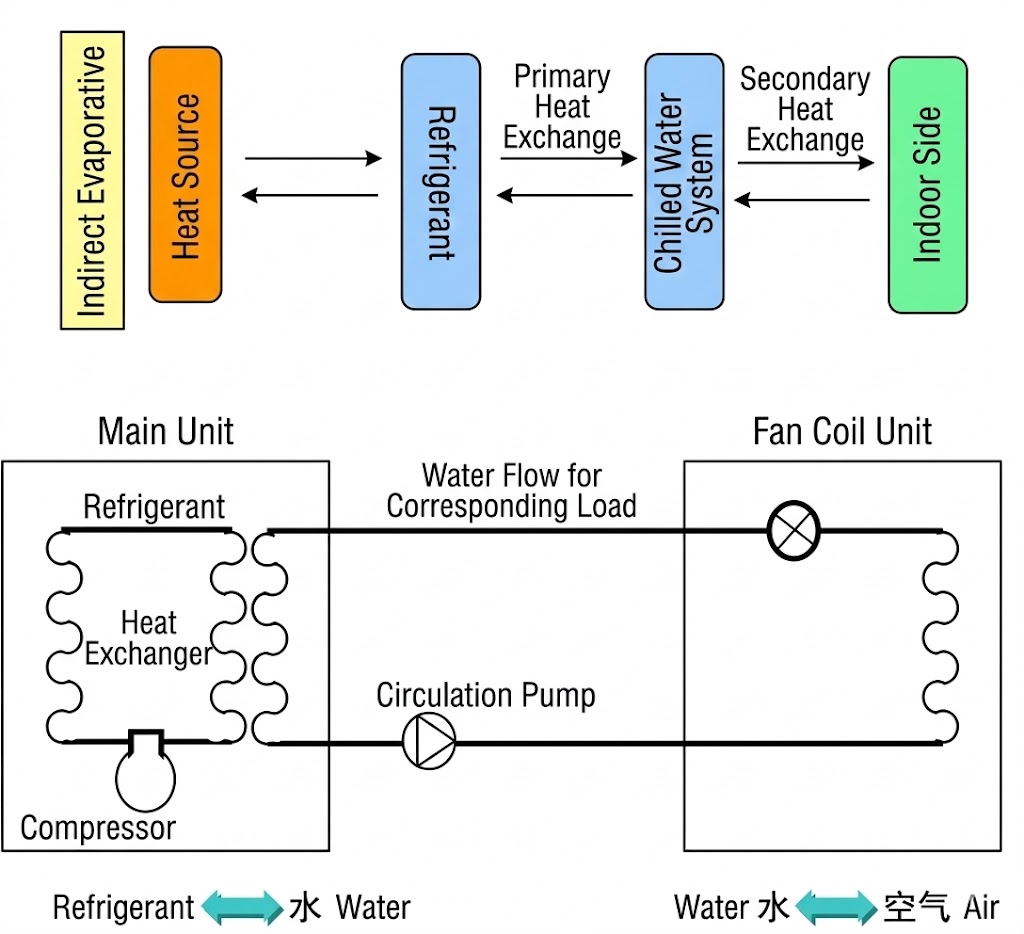
"Low Cooling Capacity" essentially means the refrigeration system is unable to remove heat from your process as quickly as the process generates it. This imbalance can lead to rising mold temperatures and operational instability. To restore your machine to being a "dependable asset," we must systematically examine the refrigeration cycle and the water circuit.
2. Analyzing High Condensing Pressure
The condenser is responsible for releasing the heat absorbed from your process into the environment. If the Condensing Pressure is Too High , the refrigerant cannot liquefy properly, drastically reducing the system's ability to carry heat.
- Symptoms: The high-pressure gauge shows an unusually high reading, and the compressor may trip on a safety limit.
- Common Causes:
- Poor Ventilation: For air-cooled chillers, if the unit is placed too close to a wall or in a room with poor airflow, it will "re-breathe" its own hot air.
- Dirty Heat Exchanger: Dust, oil, or scale buildup on the condenser fins or tubes creates an insulating layer that blocks heat transfer.
- High Ambient Temperature: If the room temperature exceeds the machine's design limits (usually above 45°C), the cooling efficiency will plummet.
- The Solution: Inspect and clean the condenser regularly. Ensure the installation site meets the recommended clearance requirements to allow for proper heat dissipation.
3. Investigating Low Evaporating Pressure
The evaporator is where the actual "cooling" happens as the refrigerant absorbs heat from the process water. Low Evaporating Pressure indicates that the refrigerant is not boiling effectively or there is a restriction in the flow.
- Symptoms: The low-pressure gauge shows a reading below the normal range, and frost may form on the suction line or the evaporator.
- Common Causes:
- Refrigerant Leaks: A low charge means there isn't enough medium to carry the heat away.
- Expansion Valve Issues: If the valve is stuck or clogged, it cannot meter the refrigerant correctly into the evaporator.
- Water Side Scaling: If the water quality is poor, scale buildup inside the evaporator tubes prevents the refrigerant from "reaching" the heat in the water.
- The Solution: Use a multimeter and pressure gauges to check the system's vitals. If a leak is suspected, specialized technical personnel should perform the repair to protect the equipment's longevity.
4. Correcting Hot Gas Bypass Issues
A Hot Gas Bypass Valve is often used to stabilize the cooling capacity during low-load periods. However, if this valve is Open when the machine should be at full capacity, it effectively "short-circuits" the refrigeration cycle.
- The Impact: The compressor works hard, but the cooling output remains low because hot refrigerant is being fed directly back into the low-pressure side.
- The Solution: Adjust the setpoint of the bypass valve. It should only open when the process requires very little cooling. Ensuring this valve is correctly calibrated is essential for "Operational Practicality" and energy efficiency.
5. Managing Oil in the Refrigerant
For a refrigeration system to operate smoothly, the oil must stay in the compressor to provide lubrication. If Too Much Oil enters the Refrigerant Circuit, it creates a major efficiency problem.
- The Problem: Oil acts as an insulator. When a film of oil coats the inside of the evaporator and condenser tubes, it prevents heat from passing through the metal efficiently.
- The Solution: Check the oil return system. Ensure the compressor is returning oil correctly and that the oil separators are functioning. This ensures the "smoothest experience" for the internal components of your chiller.
6. Matching Water Flow to System Requirements
Often, the problem is not within the refrigeration cycle itself, but in the plumbing. If the Water Flow Does Not Match the machine’s requirements, the chiller cannot do its job.
- Scenario A: Flow Too Low: The water stays in the evaporator too long and may freeze, causing the unit to trip. The cooling isn't being "delivered" to your mold.
- Scenario B: Flow Too High: The water moves too fast to effectively give up its heat to the refrigerant.
- The Solution: Inspect the piping system and the water pump. Ensure the pump is sized correctly and that there are no blockages or closed valves in the circuit. Proper water velocity (between 1.0 and 3.6m/s) is critical for optimal performance.
Summary Checklist for Operators
If your cooling capacity is low, follow these steps before calling for service:
- Check Ventilation: Is the air-cooled condenser blocked?
- Inspect Filters: Are the water or air filters clogged?
- Monitor Gauges: Are the high and low pressures within the manufacturer's specified range?
- Verify Flow: Is the water pump running and are all valves open?
By maintaining these simple standards, you ensure that your Yushine chiller remains a high-precision, efficient tool for your factory's growth.